THE INCARNATION
This is the one who came by water and blood, Jesus Christ, not with the water only but with the water and the blood. And the Spirit is the one that testifies, for the Spirit is the truth. There are three that testify: the Spirit, the water, and the blood, and these three agree. If we receive human testimony, the testimony of God is greater, for this is the testimony of God that he has testified to his Son. Those who believe in the Son of God have the testimony in their hearts. Those who do not believe in God have made him a liar by not believing in the testimony that God has given concerning his Son. And this is the testimony: God gave us eternal life, and this life is in his Son. Whoever has the Son has life; whoever does not have the Son of God does not have life.
1 John 5:6-12
The excerpt from 1 John 5:6-12 explores essential theological themes of considerable importance in the historical context of early Christianity and in Catholic doctrine. This passage highlights foundational beliefs that have shaped Christian thought and practice throughout the centuries. The First Epistle of John was likely written in the late first century, around 90-110 AD, a period marked by significant turmoil within the early Christian community. During this time, early Christians faced not only internal divisions stemming from differing interpretations of faith but also external pressures from a predominantly pagan society. John, traditionally identified as the Apostle and the beloved disciple of Jesus, composed this letter to reaffirm the truth of Jesus Christ’s identity and mission amid rising Gnostic teachings that were causing confusion and dissent among believers.
Docetism asserts that Jesus Christ did not possess a real physical body and only appeared to be human. The term “Docetism” derives from the Greek word “dokein,” meaning “to seem” or “to appear.” This epistle emphasizes the true humanity of Christ, countering the Docetist claims. In Docetism, there are two distinct views regarding the nature of Jesus, each with its own theological implications. The Phantasm view holds that Jesus was not a physical being but a purely spiritual entity, or a phantom. Proponents of this view argue that Jesus lacked physical substance, suggesting that his presence and actions were more an illusion or a manifestation of the divine spirit than a tangible human existence. This interpretation challenges traditional understandings of the Incarnation, which holds that Jesus was both fully divine and fully human. The Possessionist viewpoint holds that Jesus was an ordinary human being who was temporarily imbued with a divine presence, or the “Christ” entity, at his baptism.
According to this belief, this divine essence left Jesus prior to the crucifixion, implying that while Jesus may have possessed divine qualities during his ministry, he did not maintain a continuous divine nature throughout his life, particularly during his suffering and death. This view raises questions about the nature of divinity and humanity in relation to Jesus’ experiences and mission. Thus, in orthodox Christianity, Docetism was considered perilous because it undermined the concept of Atonement. If Jesus didn’t genuinely possess a physical form, then he couldn’t have actually died, and without a true death and resurrection, the fundamental assurance of salvation would be compromised. Although some scholars observe that the fully developed version of Docetism emerged somewhat later (in the second century), the “incipient” or proto-docetic variant discussed in 1 John was already a significant threat to the nascent church by the late first century.
The author of 1 John directly addresses and counters Docetic teaching by highlighting the physical, tangible reality of Jesus’ life on earth. This is done to reassure believers that the Incarnation was genuine. 1 John opposes Docetism in several important ways.
First, the epistle emphasizes Jesus’s physical nature. It opens with the declaration that the authors “heard,” “saw with our eyes,” and “touched with our hands” the Word of Life. This statement directly refutes the idea that Jesus was merely a spirit or phantom. In what is known as the “In the Flesh” test (1 John 4:2–3), John provides a specific criterion for true doctrine: “Every spirit that confesses that Jesus Christ has come in the flesh is from God, and every spirit that does not confess Jesus is not from God.” Additionally, the letter underscores the significance of the Cross (1 John 5:6) by asserting that Jesus came not only by water (baptism) but also by blood (crucifixion), highlighting that the shedding of His blood was a real event. Finally, the epistle identifies those who deny that Jesus is the Christ, or that He came in the flesh, as individuals who have left the community and labels them as “antichrists.” This likely refers to early Gnostic or proto-docetic teachers (1 John 2:18-23).
In our text, John emphasizes two pivotal elements of Jesus’ life and ministry: the “water” and the “blood.” The “water” is commonly interpreted as a reference to Jesus’ baptism by John the Baptist—an event that publicly affirmed Jesus’ divine sonship and inaugurated His ministry. The “blood,” on the other hand, symbolizes His sacrificial death on the cross, a cornerstone of Christian soteriology that encompasses the atonement for humanity’s sins. By highlighting both the baptism and the crucifixion, John powerfully asserts that Jesus’ entire testimony is the testimony of the Son of God, thereby reinforcing the importance of acknowledging both His divine nature and mission. This dual emphasis clarifies that understanding Jesus Christ requires accepting both His incarnation and His sacrificial act as integral to the true Christian faith.
The reference to the Spirit as a witness underscores the profound theological connection between the various aspects of Jesus’ earthly ministry, His sacrificial death on the cross, and the Holy Spirit’s active involvement in affirming the truth of Christ’s identity as the Son of God. This relationship establishes a triadic framework comprised of the Spirit, the water (symbolizing Jesus’ baptism and the initiation of His ministry), and the blood (representing His atoning sacrifice). Together, these elements present a unified testimony to the divine nature of Jesus. The interplay among them not only underscores the significance of Jesus’ identity in Christian theology but also illustrates the cohesive narrative of salvation history, in which the Spirit confirms the redemptive work of Christ through both His life and His death.
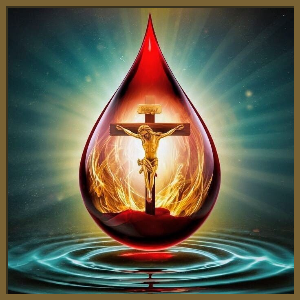
In Catholicism, this passage is foundational for doctrines regarding the Trinity, the sacraments, and the nature of salvation. The testimony of the Spirit, water, and blood is often interpreted as encapsulating the pillars of faith in the Church: the ongoing work of the Holy Spirit, the significance of Baptism (water), and the Eucharist (blood). The reference to the Spirit, along with the Son, underlines the belief in the Trinity—Father, Son, and Holy Spirit—as integral to Catholic belief. The unity of these three witnesses reflects the belief in one God in three persons.
In Catholic teaching, the sacraments are essential means of receiving grace. Baptism, using water, signifies initiation into the faith, purification, and regeneration. The Eucharist, represented by wine (the blood of Christ), represents Jesus’ sacrifice and serves as a means of justification and nourishment for believers’ faith. This dual significance highlights the importance of sacraments in the life of the Church. The epistle emphasizes that eternal life is found in Jesus, underscoring that faith in Christ and acceptance of His testimony are vital for salvation. Catholic teaching holds that salvation comes through grace, which is received by faith and expressed through the sacraments and good works.
EARLY SACRED TRADITION
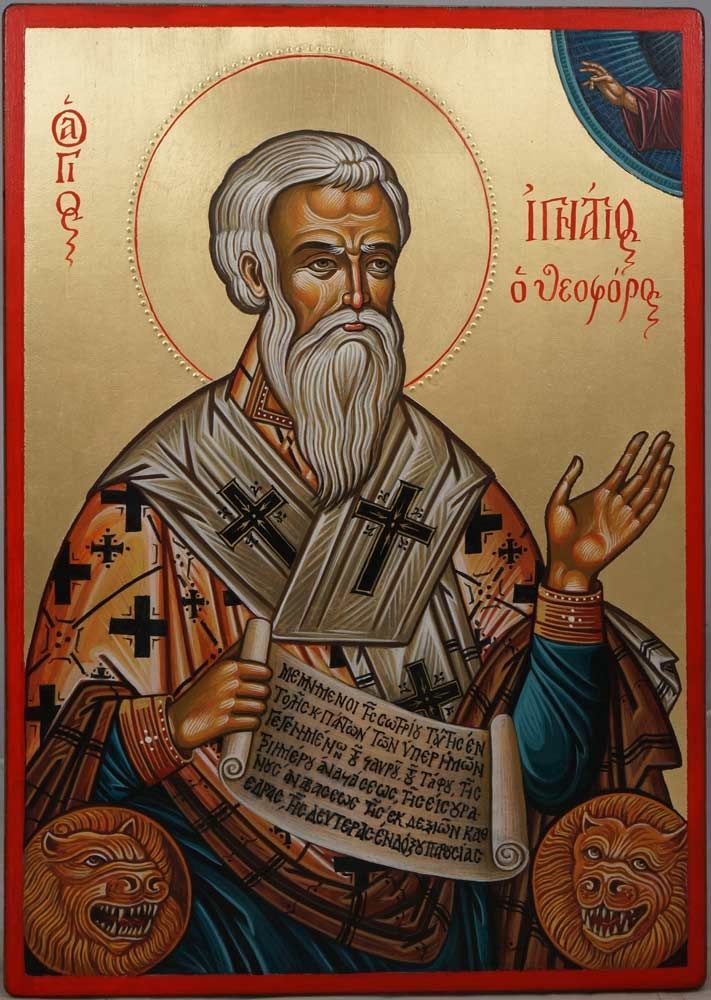
Ignatius of Antioch (c A.D. 110)
To the Ephesians, 7
“There is one Physician who is possessed both of flesh and spirit;
both made and not made; God existing in flesh; true life in death;
both of Mary and of God; first possible and then impossible,
even Jesus Christ our Lord.”
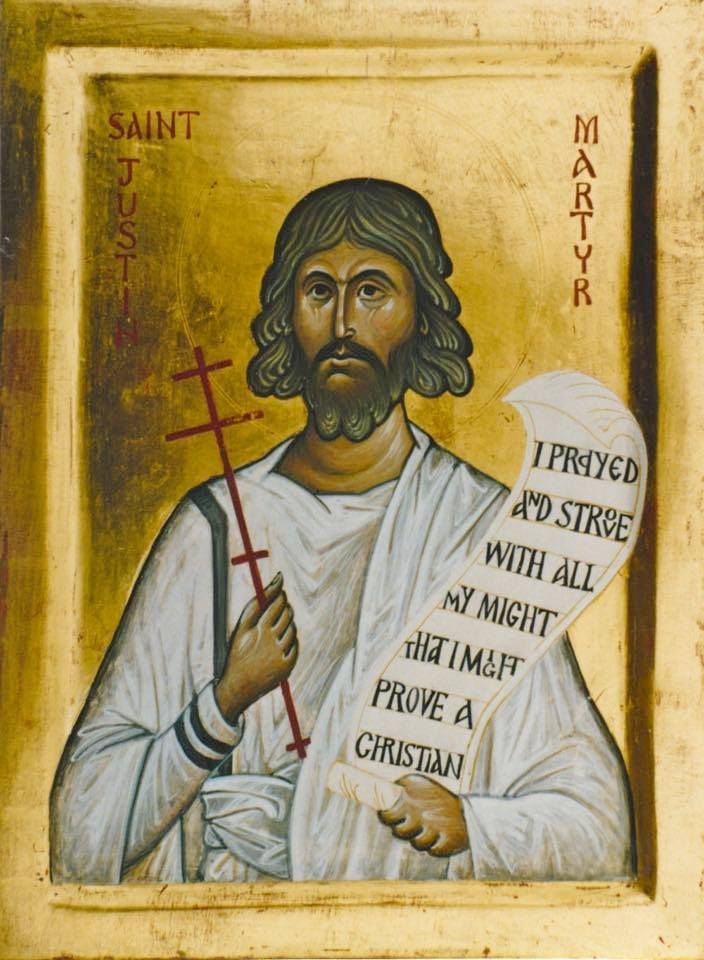
Justin Martyr, (ante. A.D. 165)
First Apology, 66
“For not as common bread and common drink do we receive these; but in like manner as Jesus Christ our Saviour, having been made flesh and blood for our salvation, so likewise have we been taught that the food which is blessed by the prayer of His word, and from which our blood and flesh by transmutation are nourished, is the flesh and blood of that Jesus who was made flesh.”
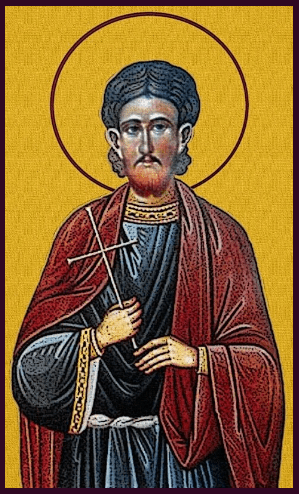
Theopilus of Antioch (A.D. 181)
To Autolycus, 2:16
“Moreover, the things proceeding from the waters were blessed by God, that this also might be a sign of men’s being destined to receive repentance and remission of sins, through the water and laver of regeneration,–as many as come to the truth, and are born again, and receive blessing from God.”
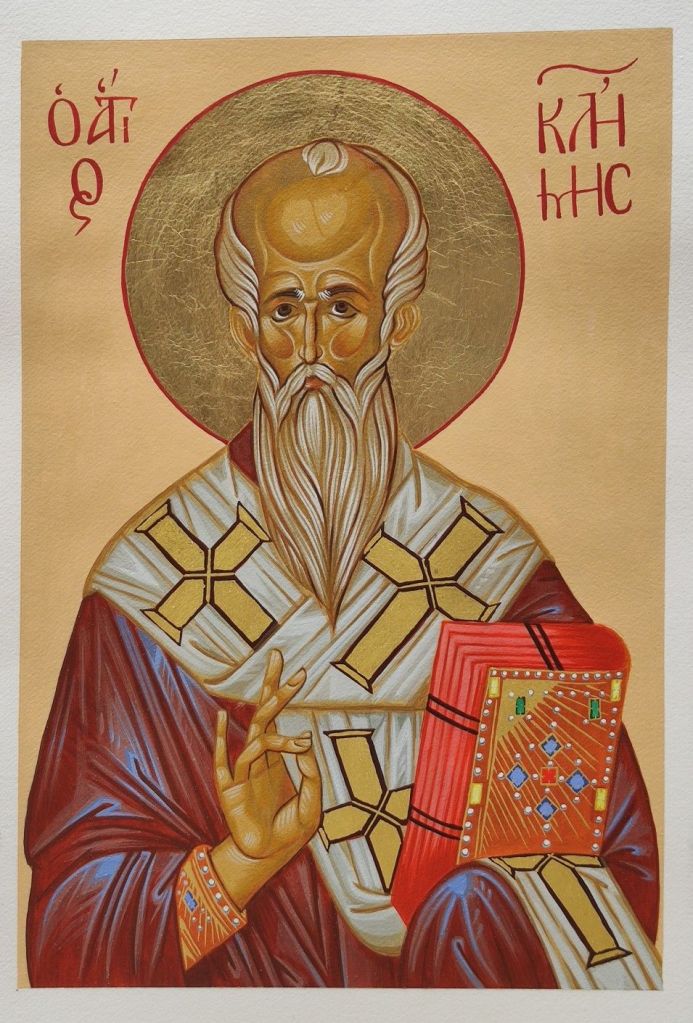
Clement of Alexandria (ante A.D. 202)
The Instructor, 2
“For the blood of the grape–that is, the Word–desired to be mixed with water, as His blood is mingled with salvation. And the blood of the Lord is twofold. For there is the blood of His flesh, by which we are redeemed from corruption; and the spiritual, that by which we are anointed. And to drink the blood of Jesus, is to become partaker of the Lord’s immortality; the Spirit being the energetic principle of the Word, as blood is of flesh. Accordingly, as wine is blended with water, so is the Spirit with man. And the one, the mixture of wine and water, nourishes to faith; while the other, the Spirit, conducts to immortality. And the mixture of both–of the water and of the Word–is called Eucharist, renowned and glorious grace; and they who by faith partake of it are sanctified both in body and soul.”
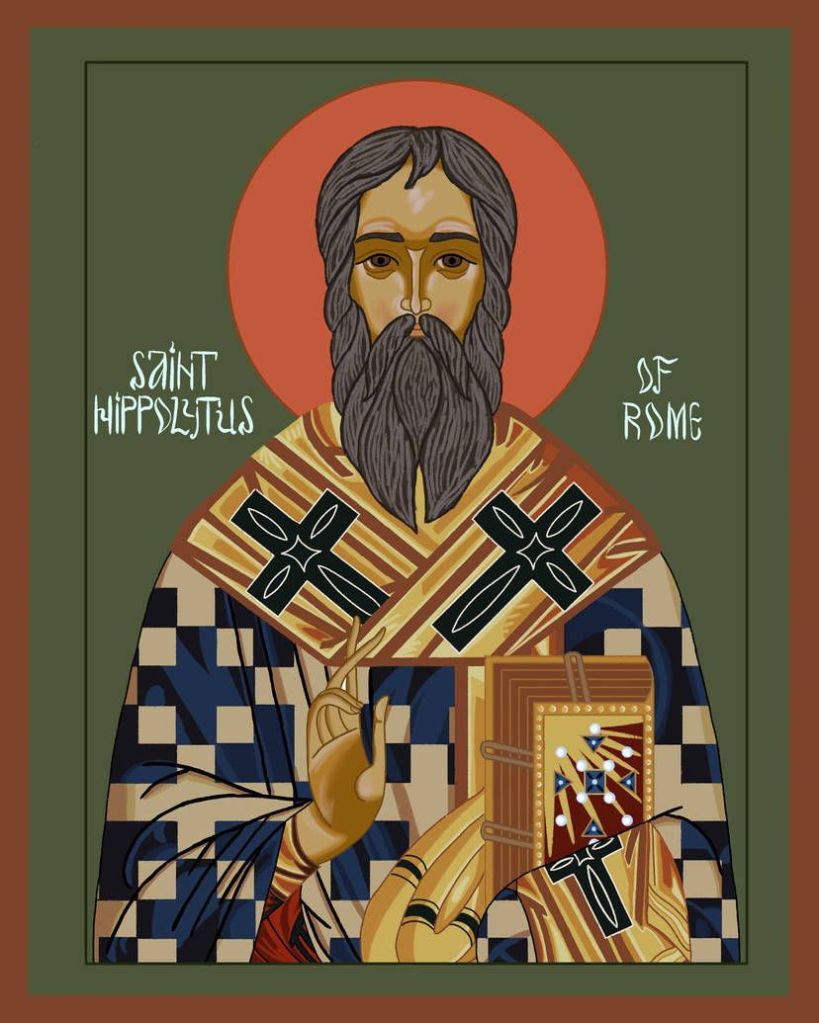
Hippolytus of Rome (A.D. 217)
Discourse on the Holy Theophany, 8
“But give me now your best attention, I pray you, for I wish to go back to the fountain of life, and to view the fountain that gushes with healing. The Father of immortality sent the immortal Son and Word into the world, who came to man in order to wash him with water and the Spirit; and He, begetting us again to incorruption of soul and body, breathed into us the breath (spirit) of life, and endued us with an incorruptible panoply. If, therefore, man has become immortal, he will also be God. And if he is made God by water and the Holy Spirit after the regeneration of the layer he is found to be also joint-heir with Christ after the resurrection from the dead. Wherefore I preach to this effect: Come, all ye kindreds of the nations, to the immortality of the baptism.”
PAX VOBISCUM
 Being Catholic
Leave a comment